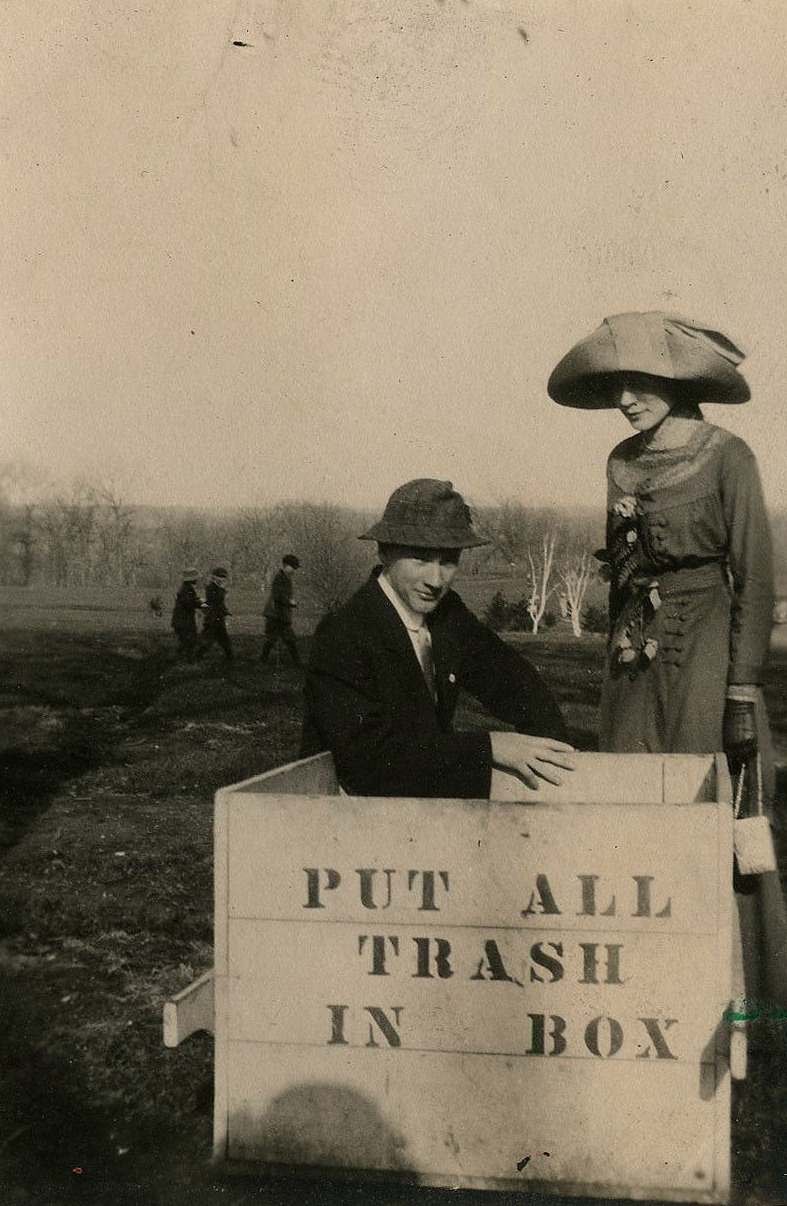
Duncan Dancers, 1917
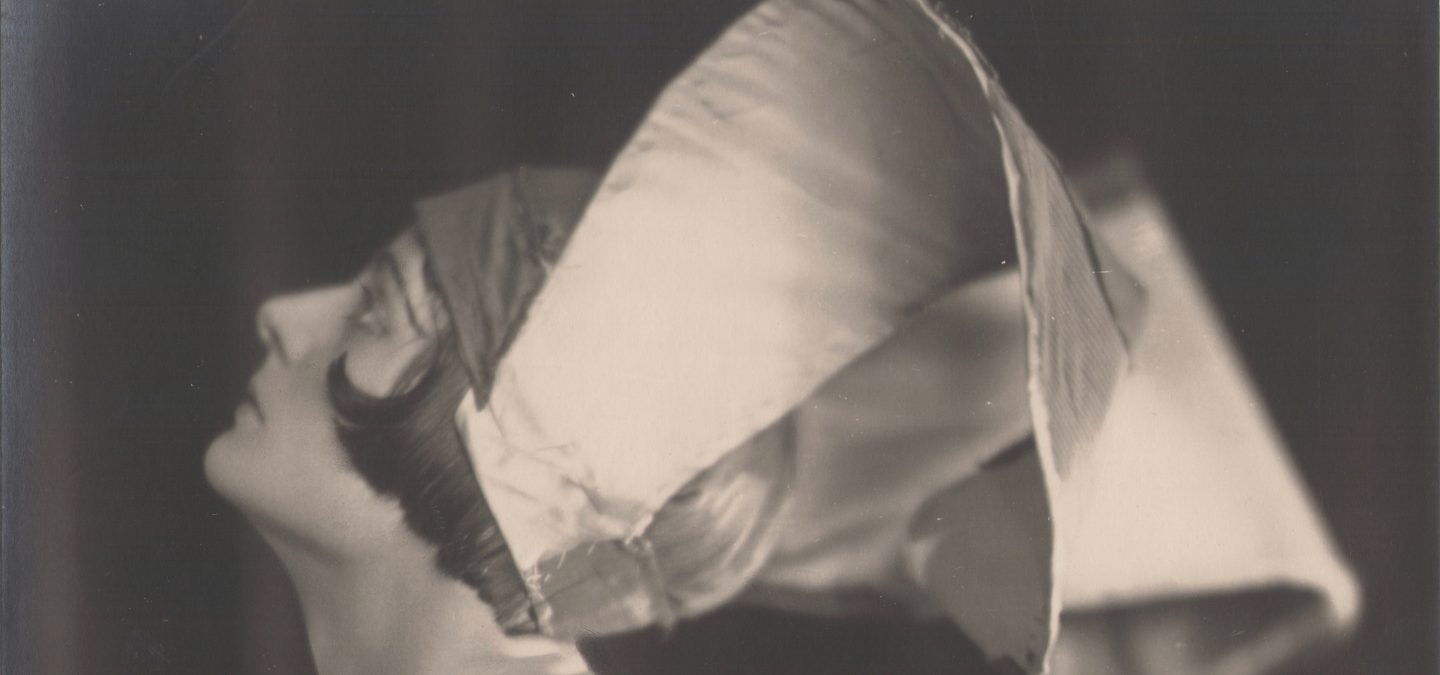
images that haunt us
 https://embedr.flickr.com/assets/client-code.js
Maiko Momotaro – Sakkou Hairstyle, 1920′s
“Originally believed to be worn by married women of the merchant class during the late Edo period (1603-1868), starting in the Meiji era (1868-1912) the sakkou was the hairstyle worn by apprentice geisha in the weeks leading up to their debut as full-fledged geisha.“
(Voyages en Photographie) / src: Blue Ruin

Edward Steichen ::
Isadora Duncan
standing in the portico of the Parthenon
in Athens, 1921. The famed dancer Isadora Duncan produced a poetic gesture mimicking the classical architecture surrounding her. / source: The Toledo Museum of Art / related post, here
more [+] by this photographer / more [+] Isadora Duncan posts
 https://embedr.flickr.com/assets/client-code.js
Koyakko showing her Obi, 1920′s
The very iki (stylish or chic) geisha Koyakko. During her subsequent career as the master dancer Hanayagi Sumi, an orchestral ballet entitled “Heavenly maiden and fisherman” was written for her, which she first performed in 1932. / src: Blue Ruin
 https://embedr.flickr.com/assets/client-code.js
Osaka Maiko Yachiyo II, 1915
Myōseki (inherited names) are often used when naming a new Maiko (Apprentice Geisha) as a mark of respect for a former Geiko (Geisha) and as a means of carrying the cachet of celebrity down through generations.
The geimei (professional name) of a meigi (famous geisha) who has retired from the profession is given to a promising young maiko, but with the suffix ‘the second’ added to it. This can carry on ad infinitum i.e. ‘the third, the fourth, etc.’ with successive generations. This hereditary naming system applies to almost all artisan professions in Japan, including Tayuu (Courtesans) and Kabuki Artists. source: Blue Ruin

Journal d’un curé de campagne (Diary of a Country Priest), directed by Robert Bresson,
France, 1951.
via ohwiewunderbar / src: ltno43

Swallows in Flight Obi. This postcard dates to around the 1920′s or 1930′s. In Japan, the swallow is a traditional symbolic image for meekness, gentleness, sweetness and grace. It is also an emblem of spring. / via
firsttimeuser / src: Flickr
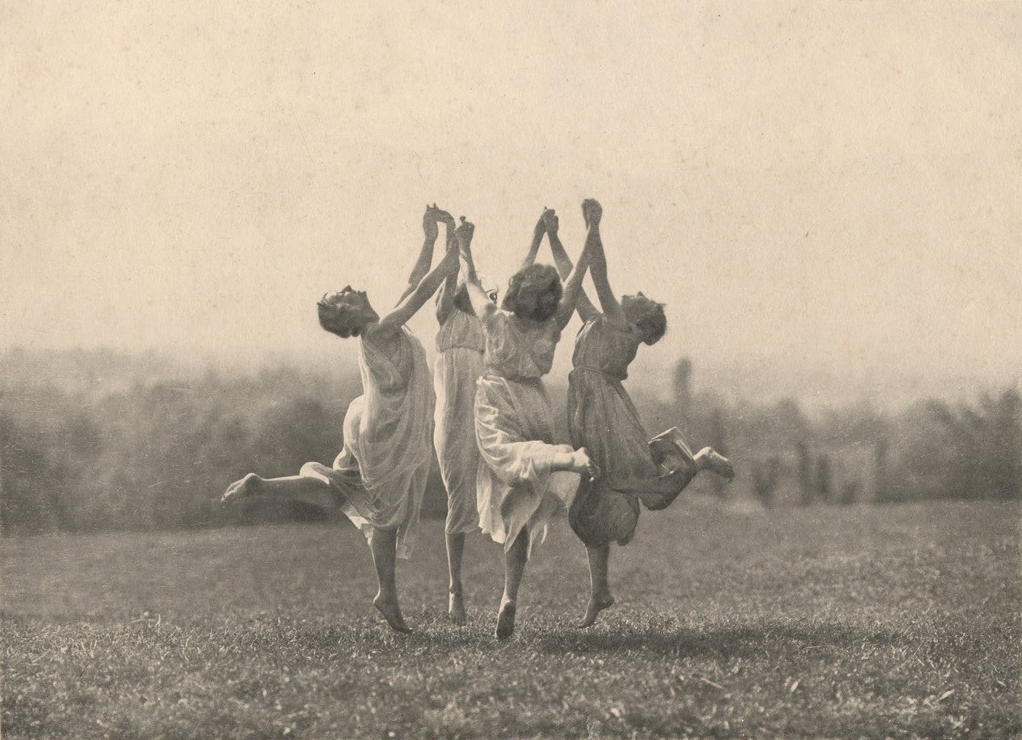
Frédéric Daniel Boissonnas Baud-Bovy ::
Four Dancers in Flight, 1900′s / via
more [+] this photographer