Cat masks by Leonor Fini

Brassaï (1899-1984) ~ Ballet de Paris, 1949. Ferrotyped gelatin silver print | src Christie’s
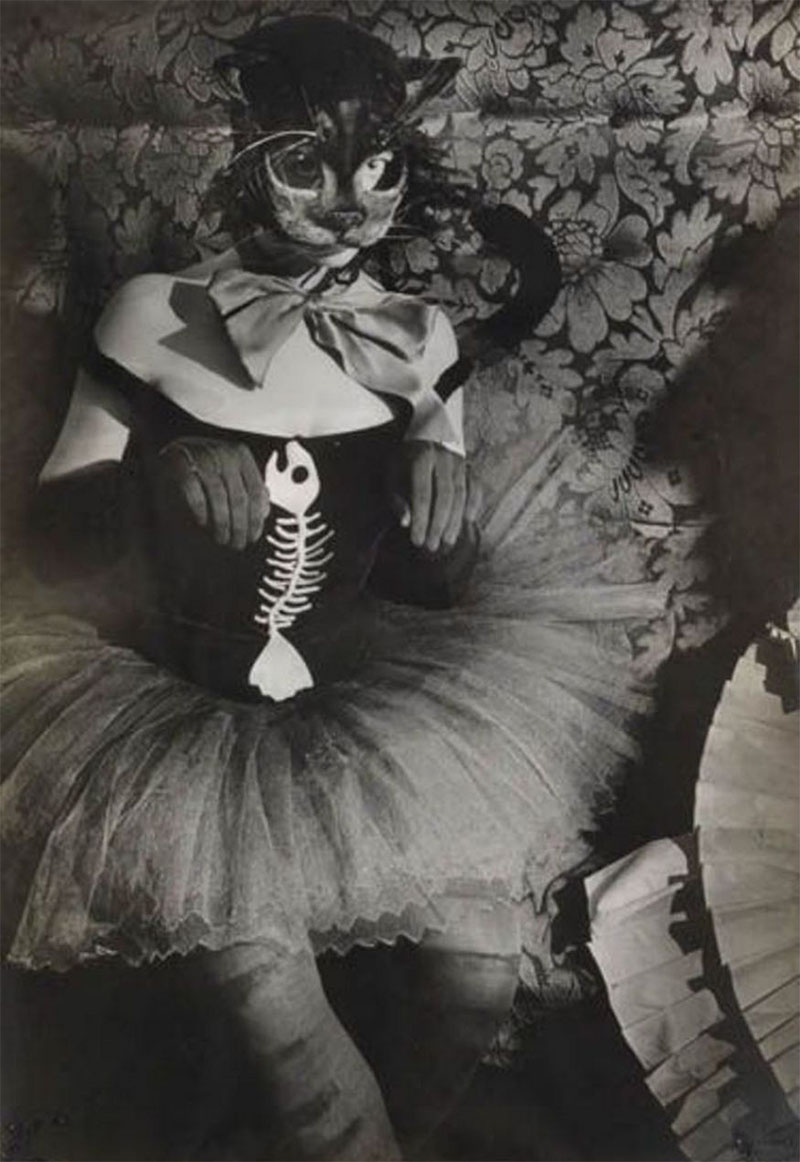
Brassaï (Gyula Halász) (1899-1984) ~ Untitled [woman with cat mask by Leonor Fini], Paris, 1930s | src stephen ellcock
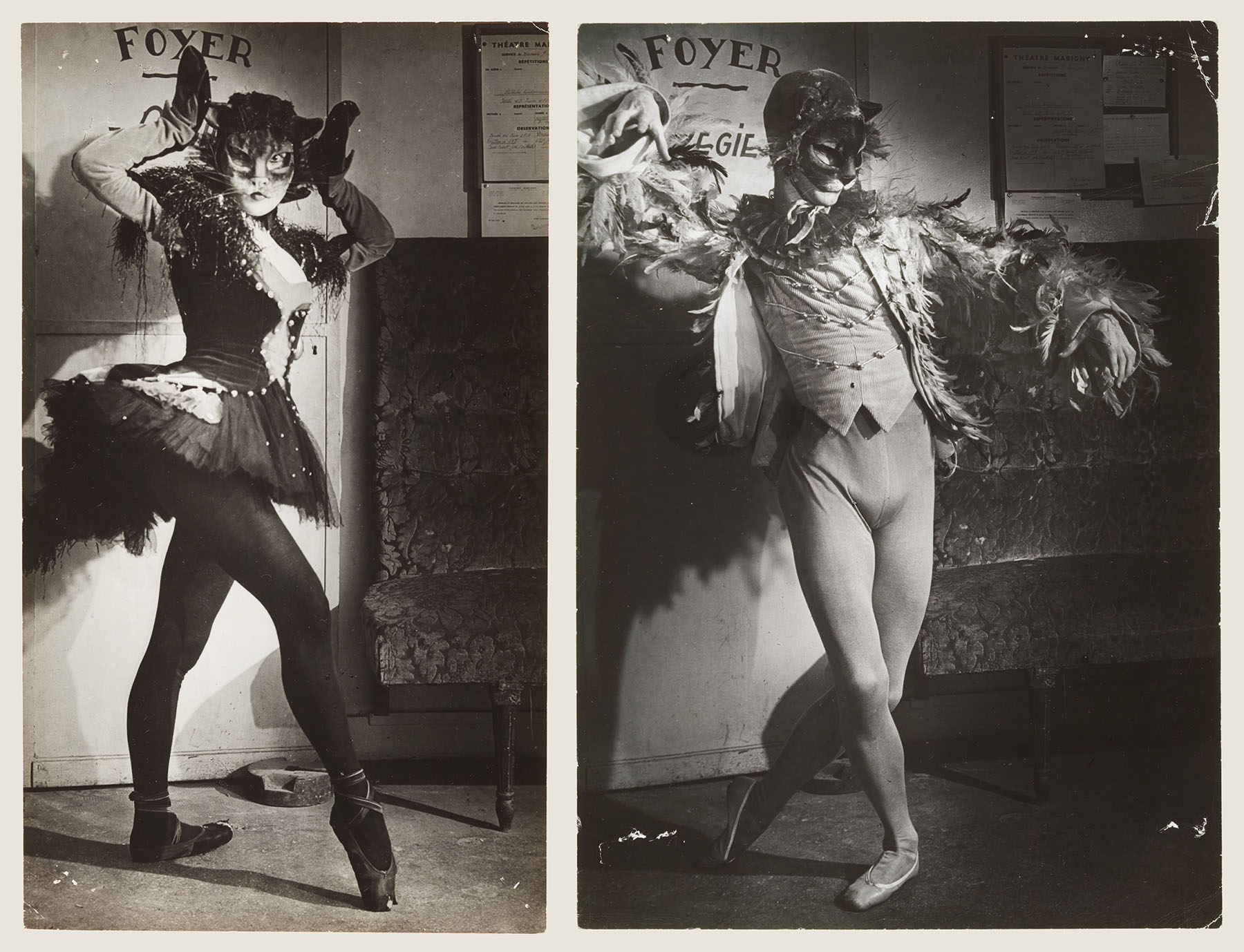
Brassaï (1899-1984) ~ Ballet de Paris, 1949. Brassaï (1899-1984) ~ Ballet de Paris, 1949. Ferrotyped gelatin silver prints | src Christie’s

Les Demoiselles de la Nuit

Ballet in one act with choreography by Roland Petit, libretto by Jean Anouilh, music by Jean Françaix, and scenery & costume design (including the ballet’s fantastic cat masks) by Leonor Fini. It premiered on 22 May 1948 by Ballets de Paris at the Théâtre Marigny (Paris), with Fonteyn, Petit, and Hamilton. It tells the story of a musician who falls in love with his beautiful cat Agathe, who has assumed semi-human form. Agathe tries to be faithful to her human lover but is lured away by the sound of tomcats and the call of freedom. She leaps off the rooftops and the musician falls to his death as he tries to grab hold of her. She falls after him and they are united in death. | src The Oxford Dictionary of Dance
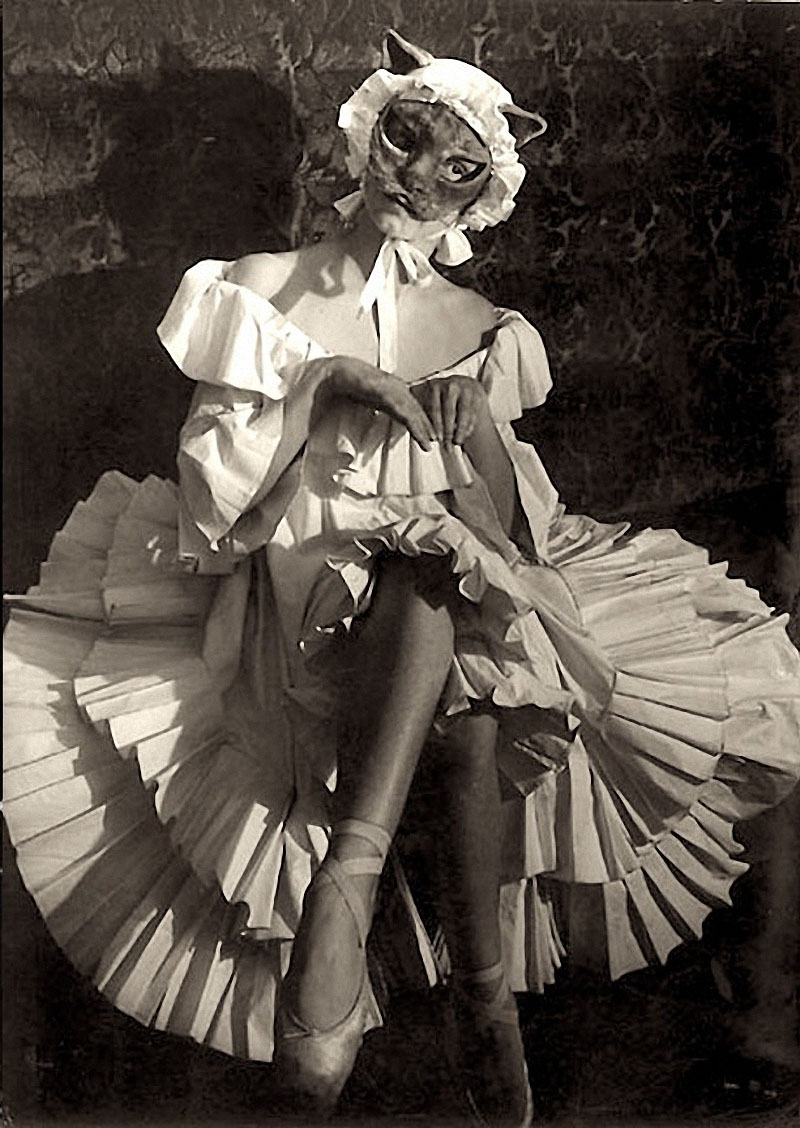
Brassaï (1899-1984) ~ Dancer wearing a cat costume designed by Leonor Fini for Les Demoiselles de la Nuit, 1948 | src ODLP ~ l’œil de la photographie

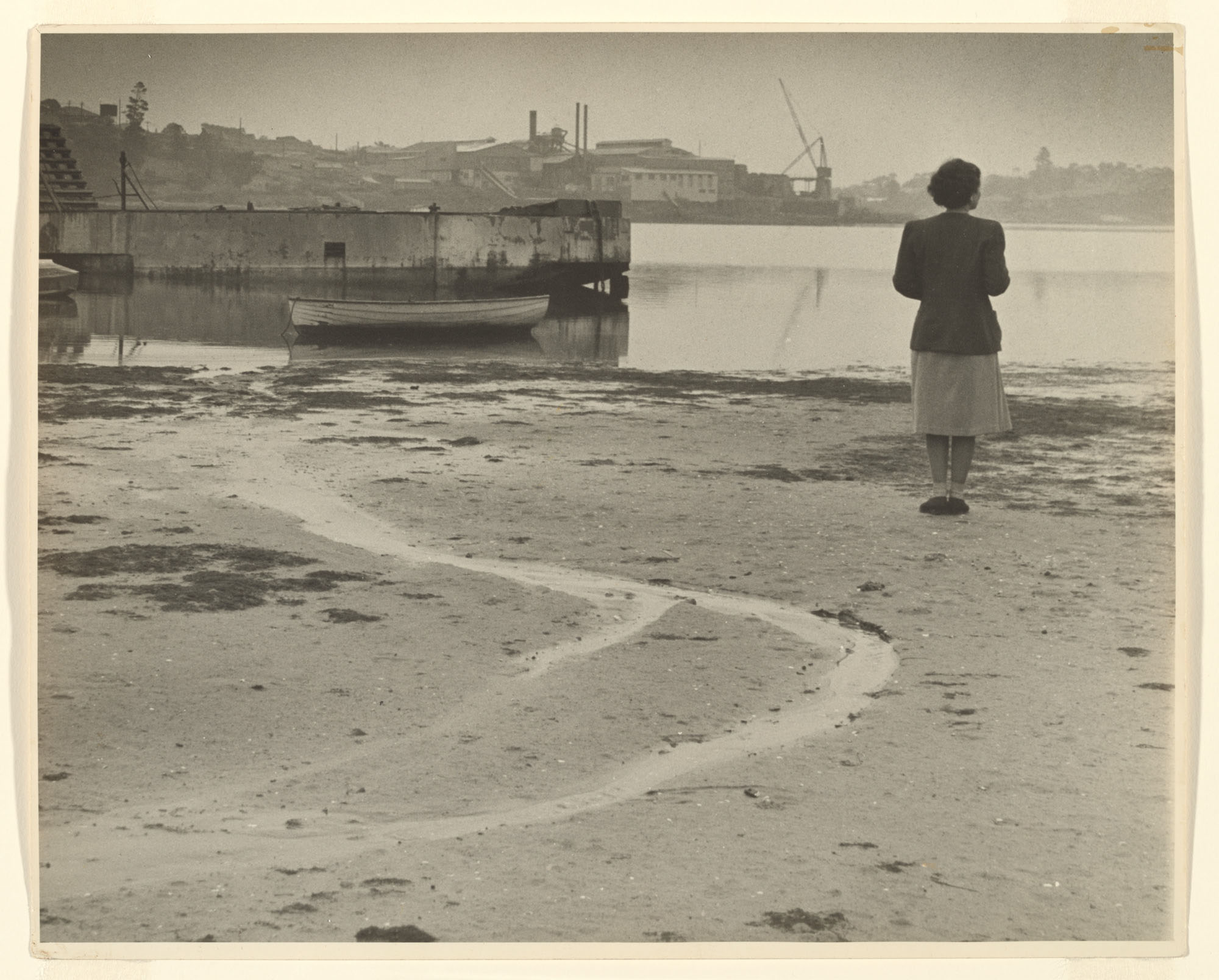
Michaelis self-portrait · 1948

Margaret Michaelis (1902-1985) ~ [self-portrait] Parramatta River, Sydney, 14 June 1948 | src NGA

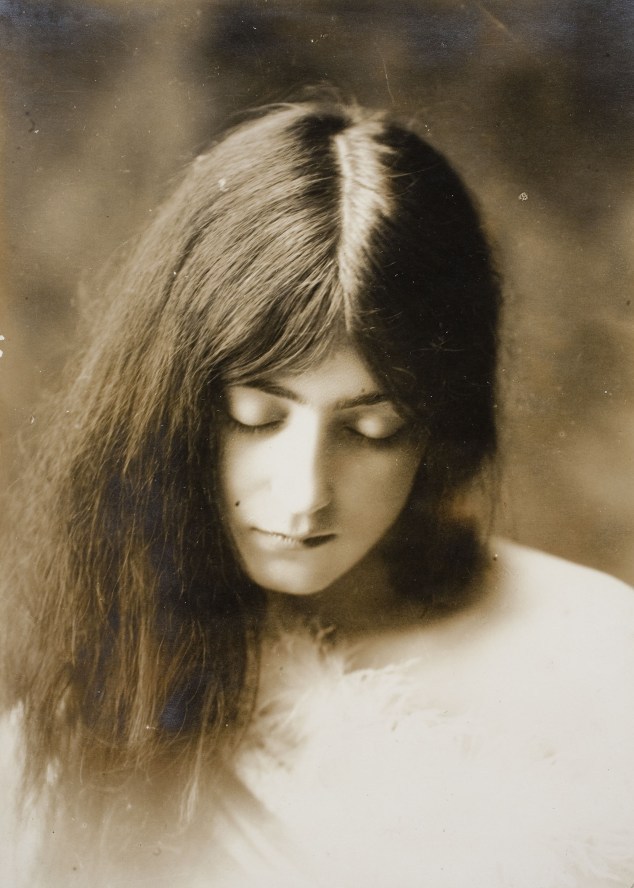
Textile design by Sonia Delaunay

Edward J. Steichen :: Tamaris with a large Art Deco scarf. Design by Sonia Delaunay, 1925. From: Edward Steichen and Art Deco Fashion. | src l’oeil de la photographie
Edward J. Steichen :: Tamaris with a large Art Deco scarf. Design by Sonia Delaunay, 1925. | src Edward Steichen and Art Deco Fashion @ l’œil de la photographie

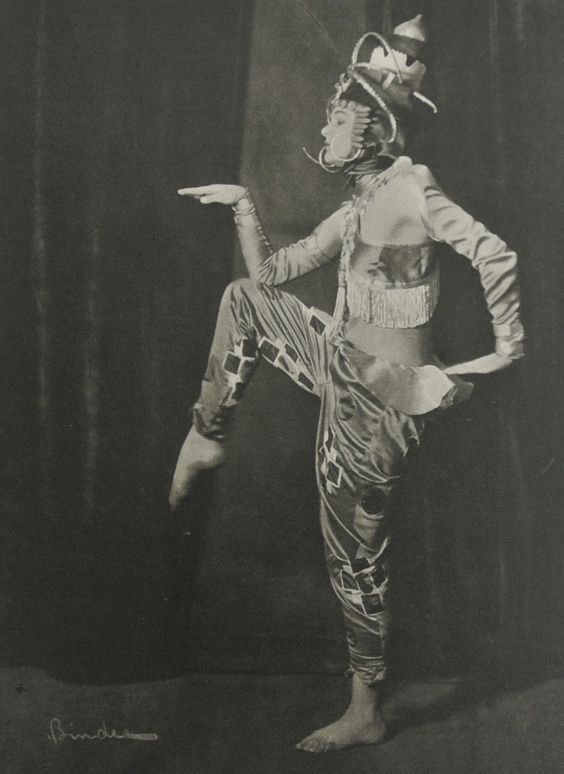
Anita Berber as Bingha

Alexander Binder :: Anita Berber as Bingha, costume designed by Walter Schnackenberg, 1922. Schnackenberg was known as the “Toulouse-Lautrec of Germany”. | src 50 watts