we do not own these photographs (unless indicated otherwise), we just share images that somehow haunt us.
Please, if you share them do not remove credits or/and sources.
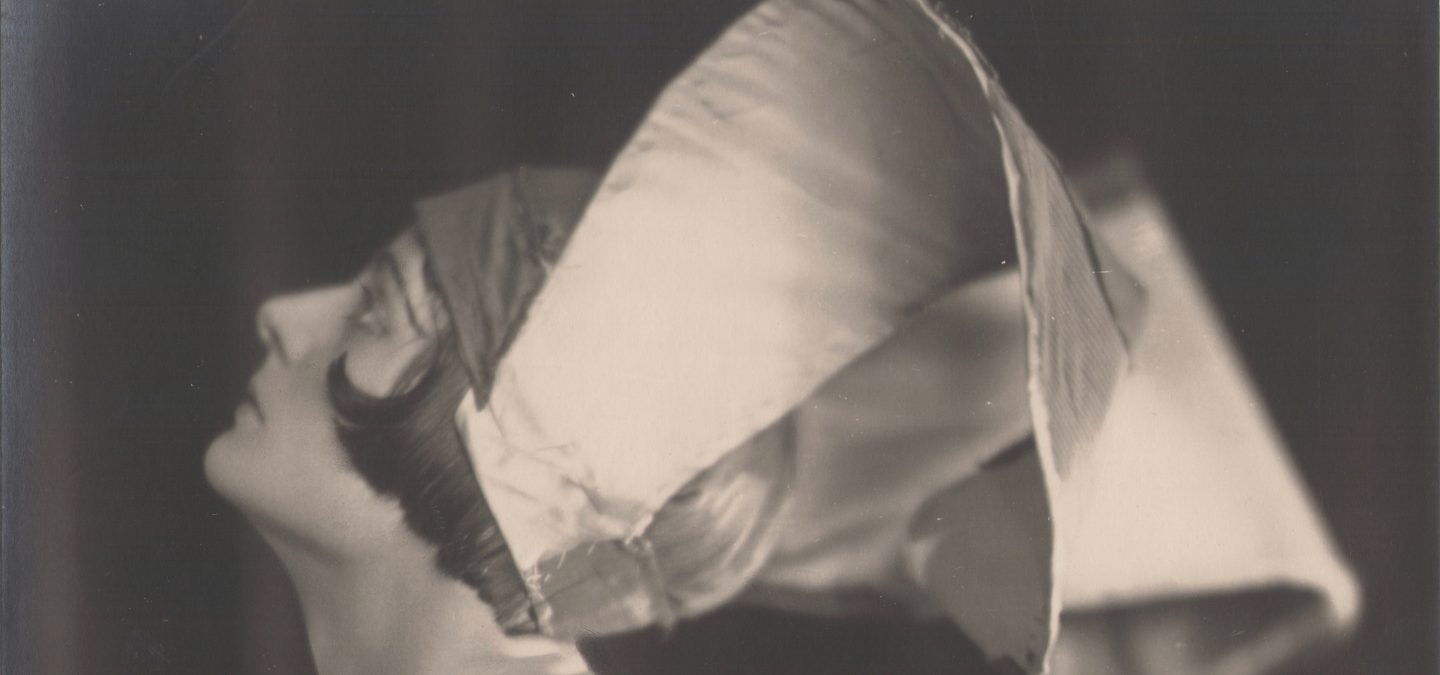
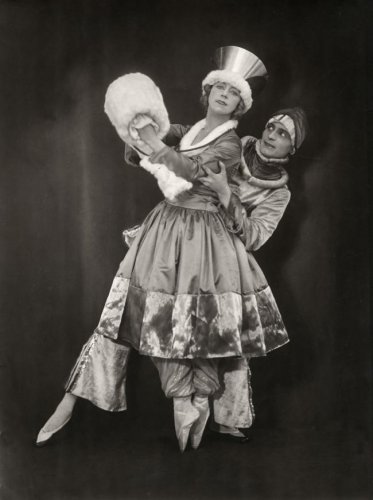
Maskerade, carnaval. Uit het maskerade-ballet ‘Sand und Wind’ door kunstenaarspaar Anna Wilström en Helmut Lotz, 1924. | src Het Leven via Nationaal Archief
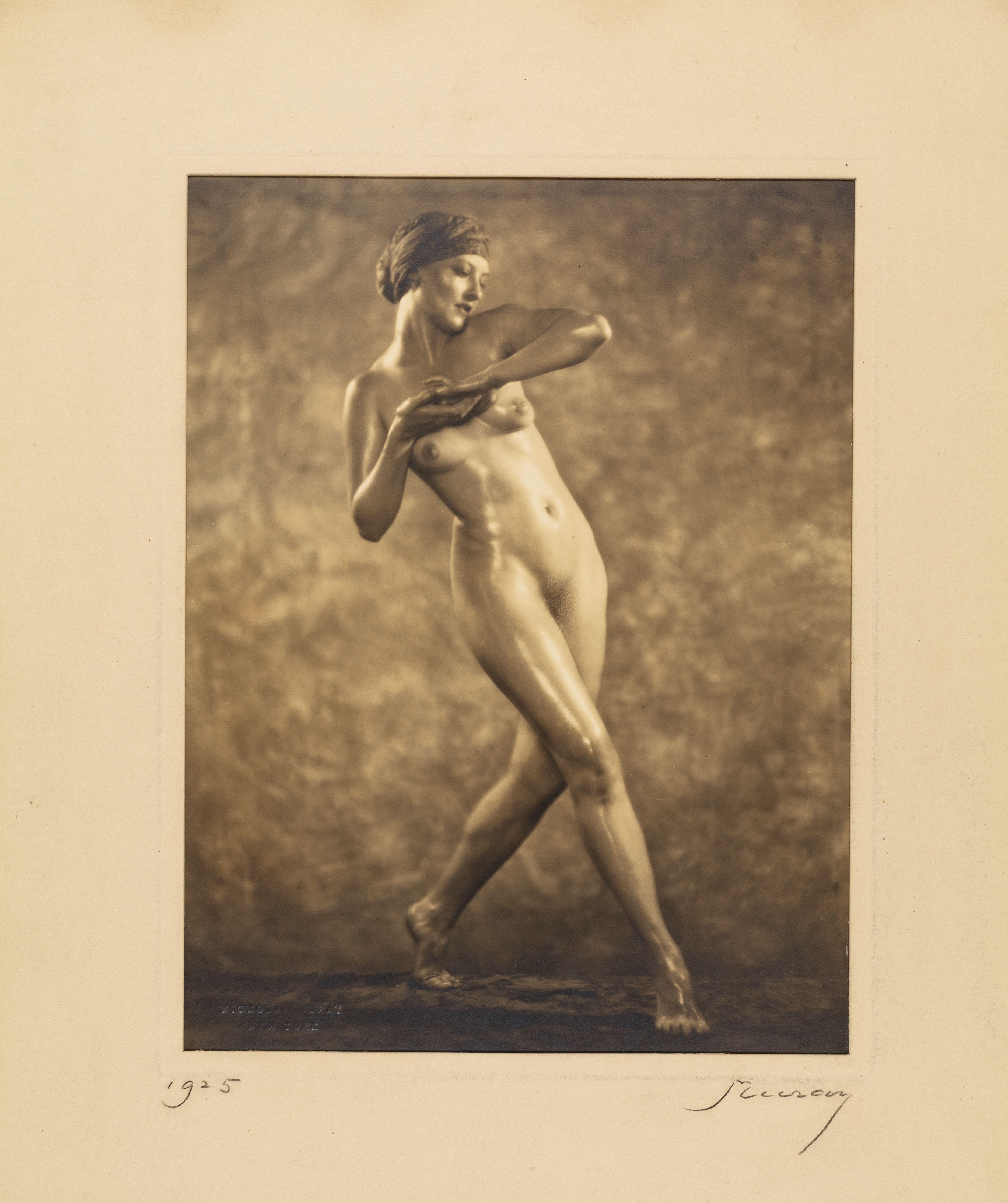
Nickolas Muray (1892–1965) :: Nude study of Martha Laber, 1925. | src OstLicht 21th Photo AuctionNickolas Muray (1892–1965) :: Nude study of Martha Laber, 1925. Photographer’s blindstamp in the image lower left, signed and dated by the photographer in pencil on the original passepartout. | src OstLicht 21th Photo Auction
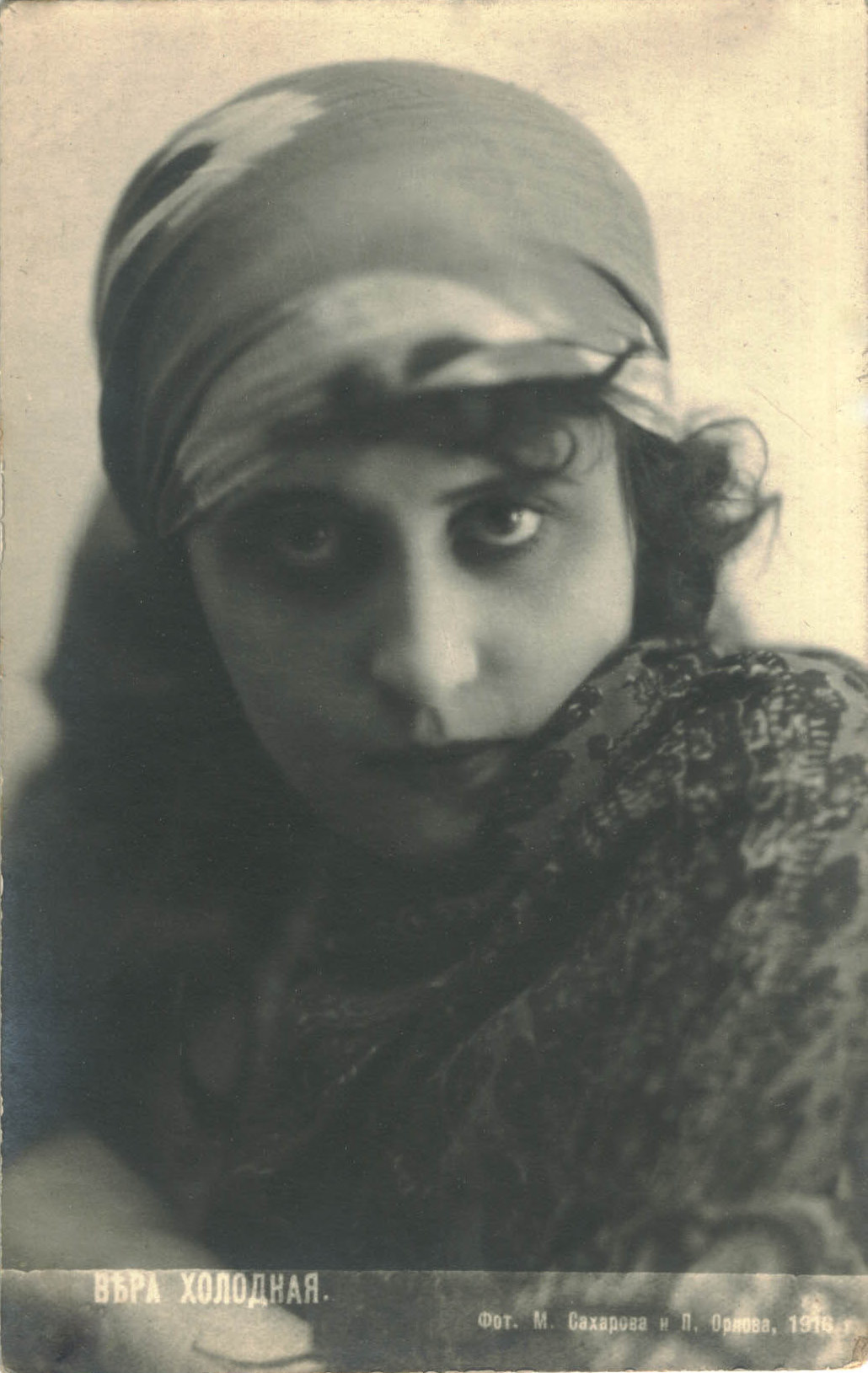
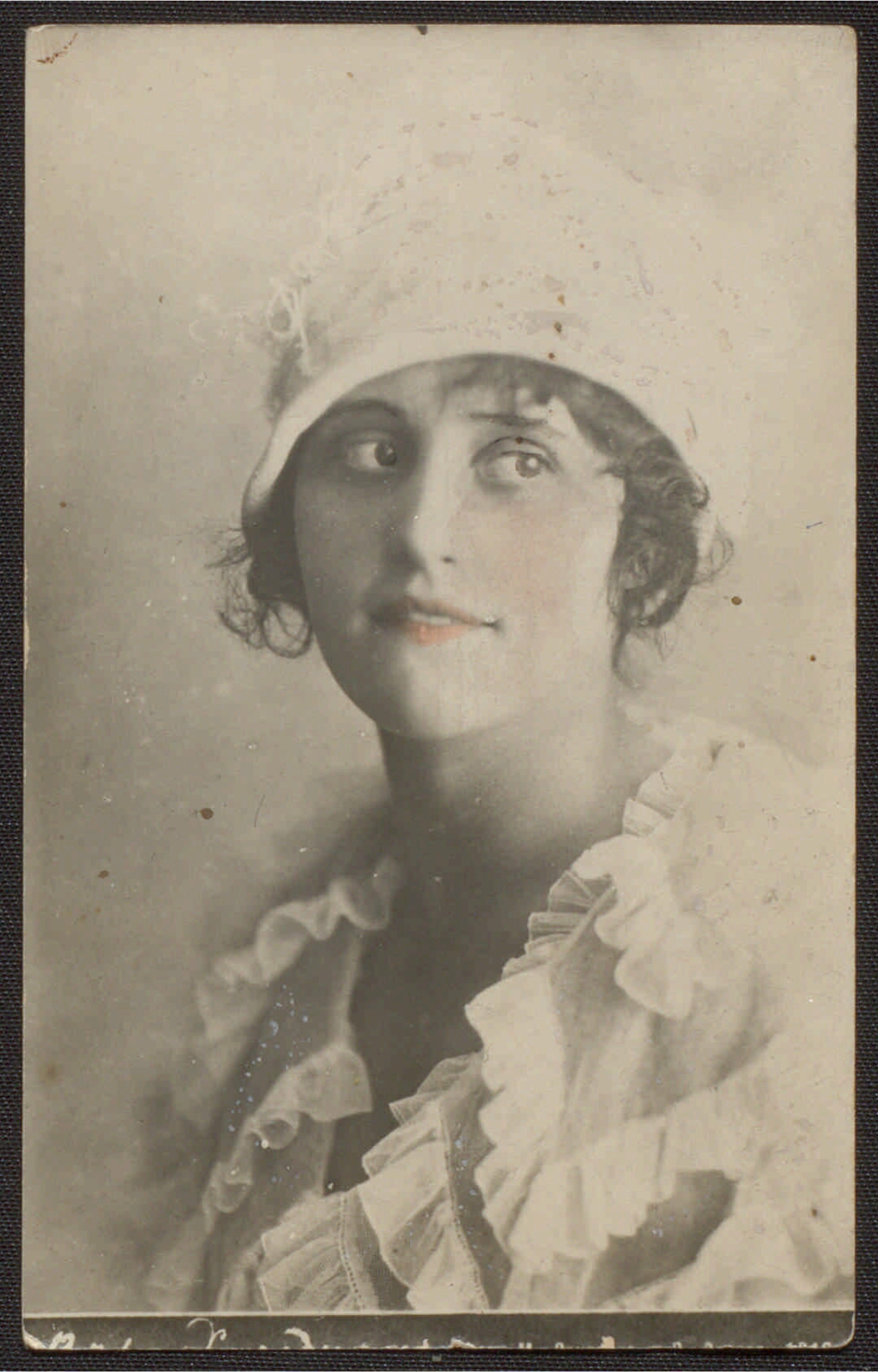
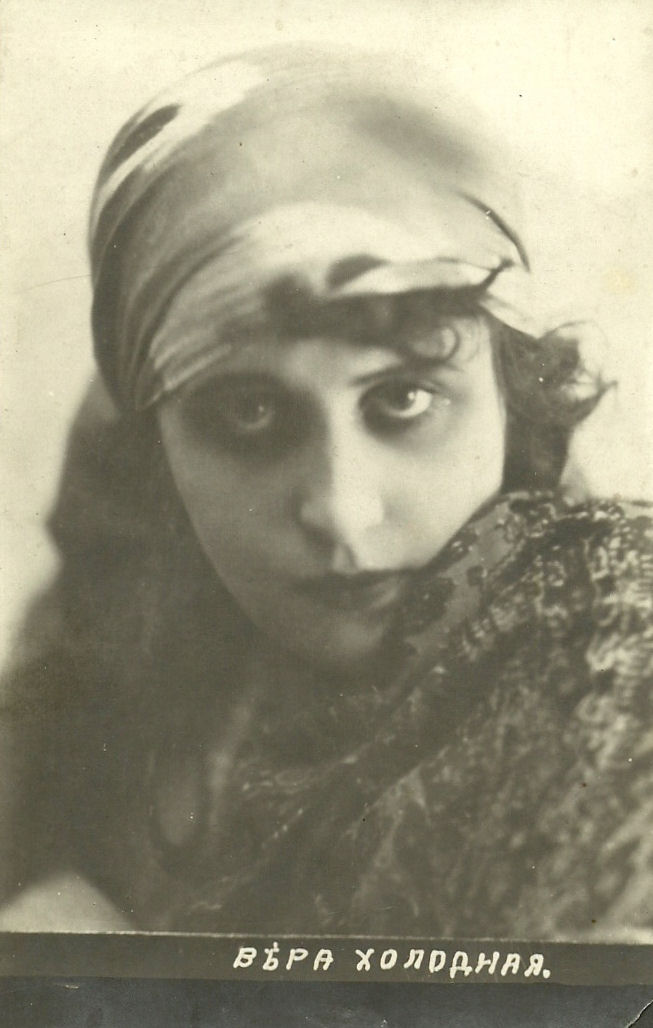
Russian first silent movie star Vera Kholodnaya. Portrait, in a headdress. Fot. M. Sakharov and P. Orlov, 1916. Postcard. | src Presidential LibraryVera Kholodnaya. Portrait, Portrait, profile to the left, looking down. Fot. M. Sakharov and P. Orlov, 1916. Postcard. | src Presidential LibraryVera Kholodnaya. Portrait, head turn 3/4 to the left, headscarf tied behind, 1914-1919. Postcard. | src Presidential LibraryVera Kholodnaya. Portrait, in a white blouse with ruffles, in a white hat. Phot. M. Sakharov and P. Orlov, 1916. Postcard. | src Presidential LibraryRussian first silent movie star Vera Kholodnaya. Another postcard of the image on top. | src Flickr
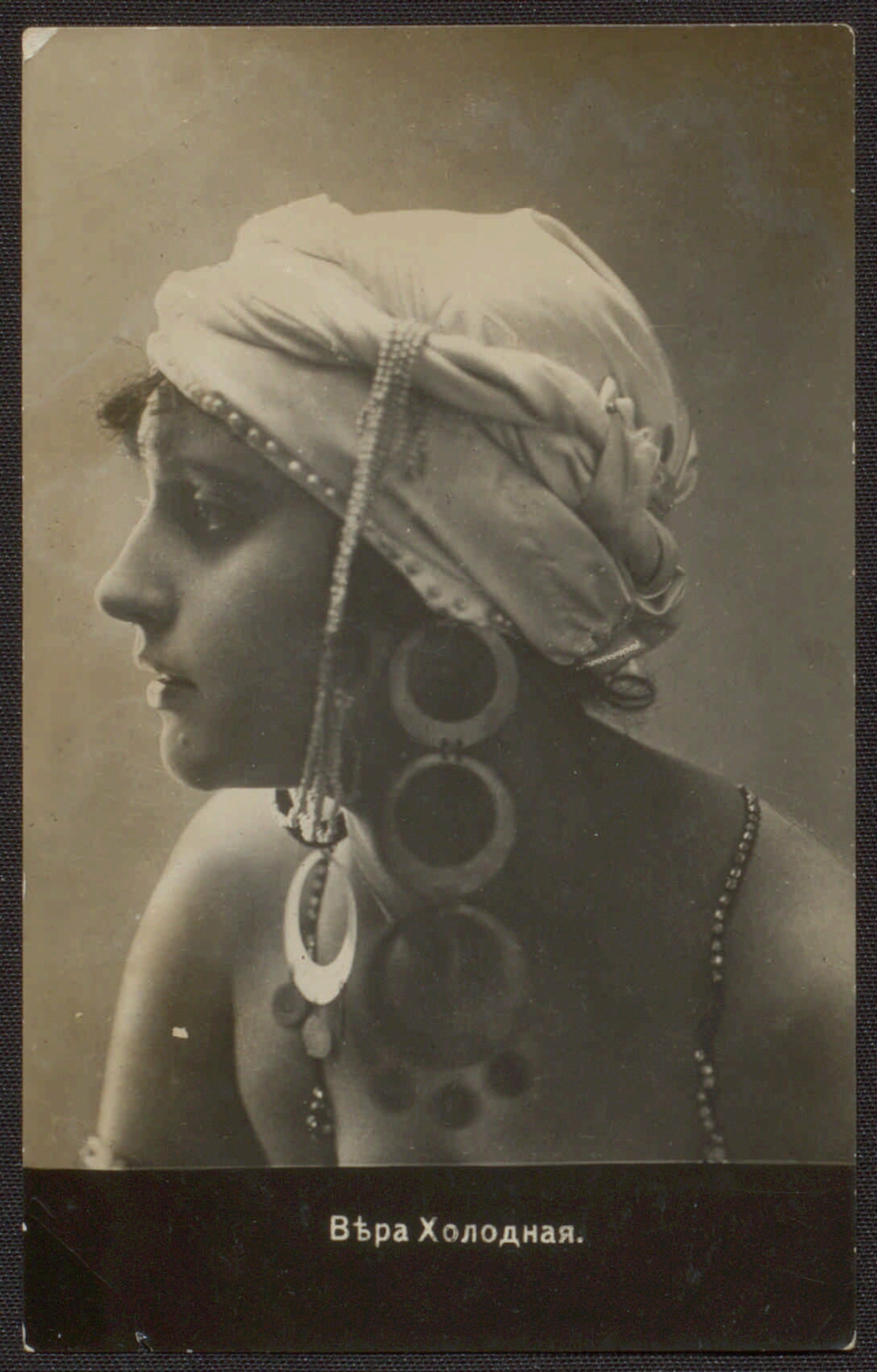
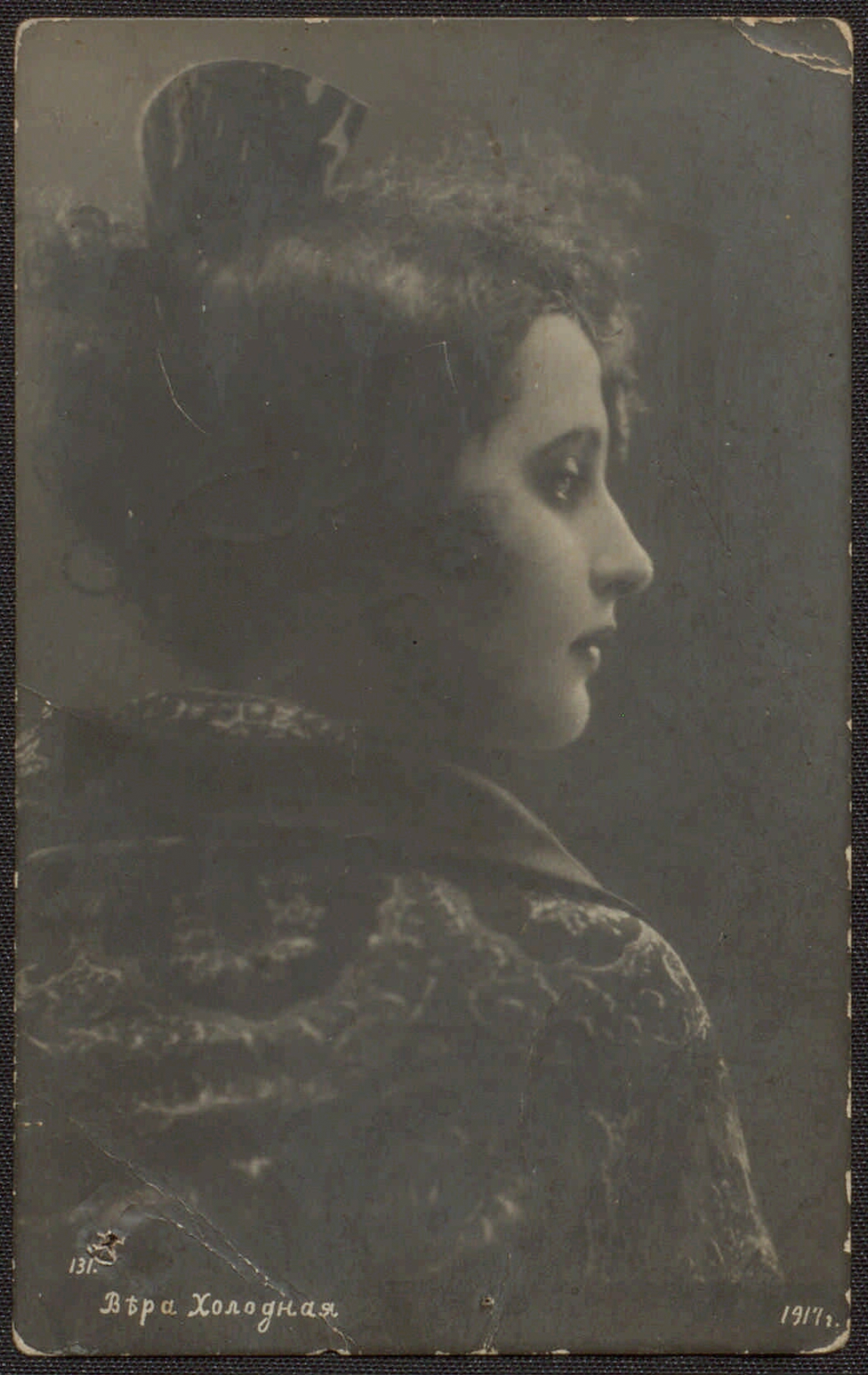
Vera Kholodnaya. Portrait, profile to the left, in a light kerchief tied around the head like a turban, with long earrings consisting of three large circles. Between 1914 and 1919. Postcard from the collection of Natalia Balachenkova. | src Presidential LibraryRussian silent cinema actress Vera Kholodnaya (aka ‘Queen of Screen’). Russian postcard, nº 47. Collection Didier Hanson. | src FlickrVera Vasilyevna Kholodnaya (1893-1919), 1917 (card nº131). Portrait, profile to the right. Postcard from the collection of Natalia Balachenkova. | src Presidential Library
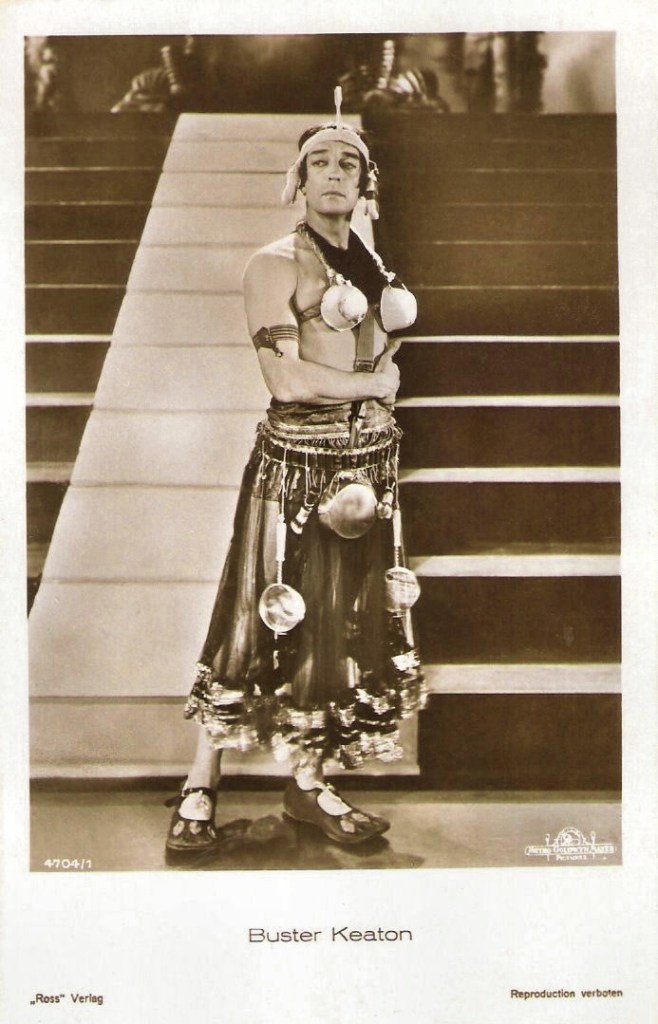
Buster Keaton. German postcard by Ross Verlag, no. 4704/1, 1929-1930. Photo: MGM. Publicity still for The Hollywood Revue of 1929 (Charles Reisner, 1929) with Keaton as Princess Raja. This performance must have been inspired by the Egyptian dance in The Cook (Roscoe ‘Fatty’ Arbuckle, 1918). | src Flickr
‘Hennings as a spider’, 1915-1918. In: Antonia Meiners: The hour of women between the monarchy, world war and the right to vote 1913-1919. Munich: Elisabeth Sandmann Verlag 2013, p. 68. And in: Emmy Ball Hennings 1885-1948: “I am so diverse”, catalog for the exhibition ed. v. Bernhard Echte. Ffm u. Basel: Stroemfeld Verlag 1999, p. 104. | src Schweizerisches Literaturarchiv