we do not own these photographs (unless indicated otherwise), we just share images that somehow haunt us.
Please, if you share them do not remove credits or/and sources.
A Tranquil Scene on Lake Ashi, seen from the shores of Hakone Village as Mt. Fuji rises beyond the distant headlands.’ A beautiful albumen photo from over 120 years ago. From the lens on the camera to the lip of Fuji’s crater is 32 Kilometers = 20 miles. / src: Okinawa Soba
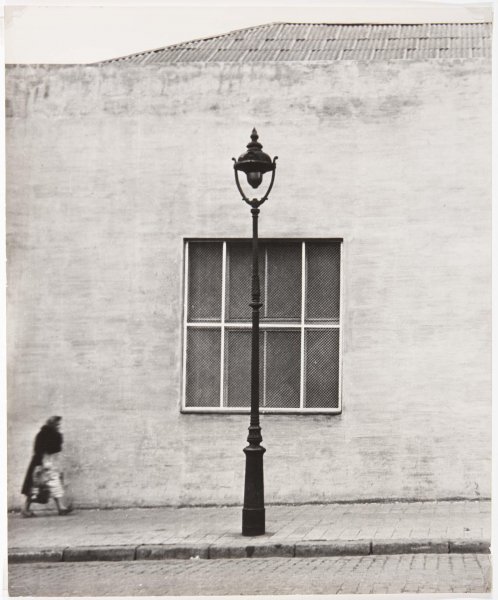
Ramón Masats :: Barcelona,1954 / Vintage gelatin silver print on paper. / src: Museo Reina Sofia
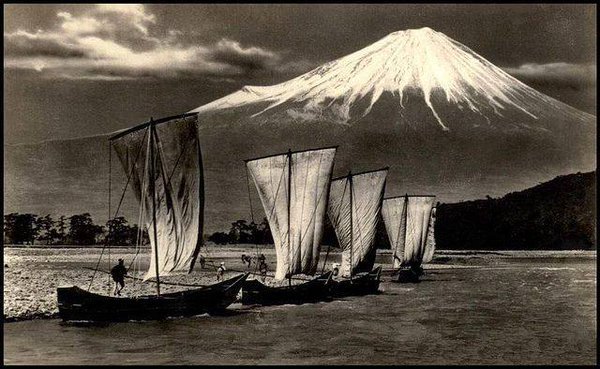
“Real-photo gelatin silver print. Postcard format. This
image is one of several examples of a largely ignored facet of Old
Japanese Photography – a genre called “Taisho Art” or “
Taisho Pictorial Photography”. […] As
this is an “Art Photo”, there was probably some manual manipulation of
the image. I personally think it is a combination of at least two photos.” Quoted from
Okinawa Soba (Rob) on Flickr.
/ source and more information: Flickr
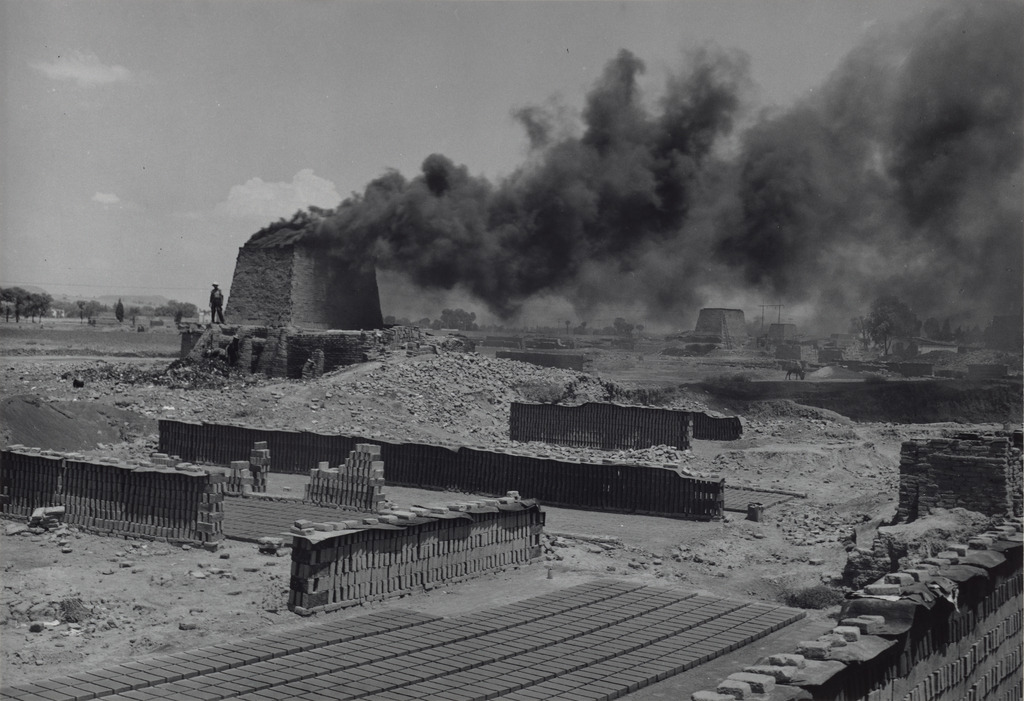
Manuel Álvarez Bravo (1902-2002) ~ Kiln [The Burning] / La Quema, 1957, printed 1974. Gelatin silver print | src getty.edu
Billowing, black smoke fills the sky, obscuring the grazing burro on the right, in this photograph of an adobe brick kiln. Manuel Alvarez Bravo called this image La Quema, a term meaning “the fire” or “the burning.” Depicting a landscape threatened by human industry, the image may symbolize more sinister historical events. Alvarez Bravo, who came of age during the violent Revolution of 1910-1920, often saw dead bodies burning in the street.
The Mexican people may have viewed the kiln–a site of fiery transmutations–as an allusion to the Spaniards’ conquest and purging of the Aztecs in the 1500s. About this image, one historian has said: “The photograph does not project sorrow or excessive drama, but quiet and noble resignation. Even the human figure standing at the base of the kiln/pyramid has an attitude, extremely Mexican in character, of resigned acceptance of destiny.” | src getty.edu