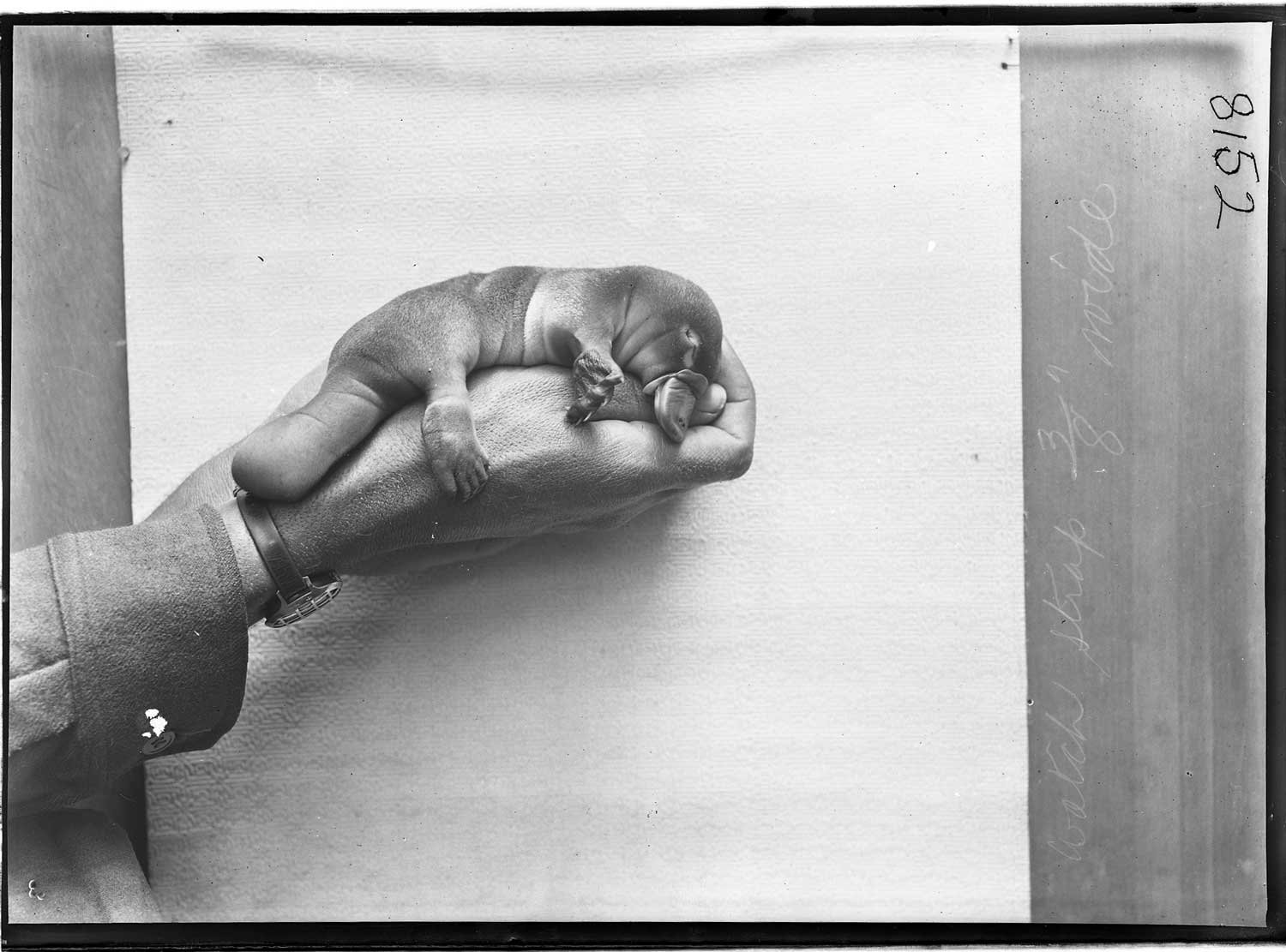
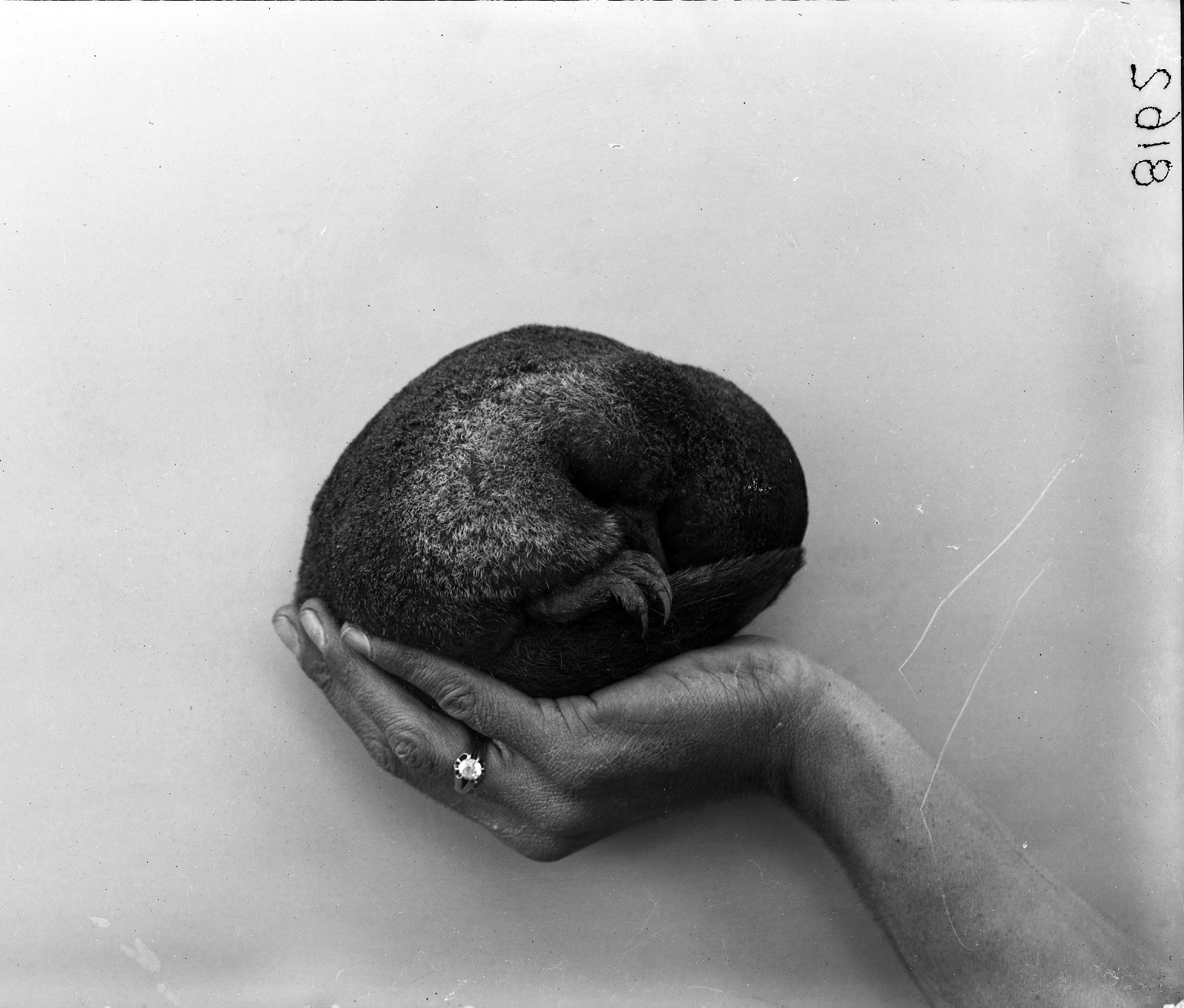
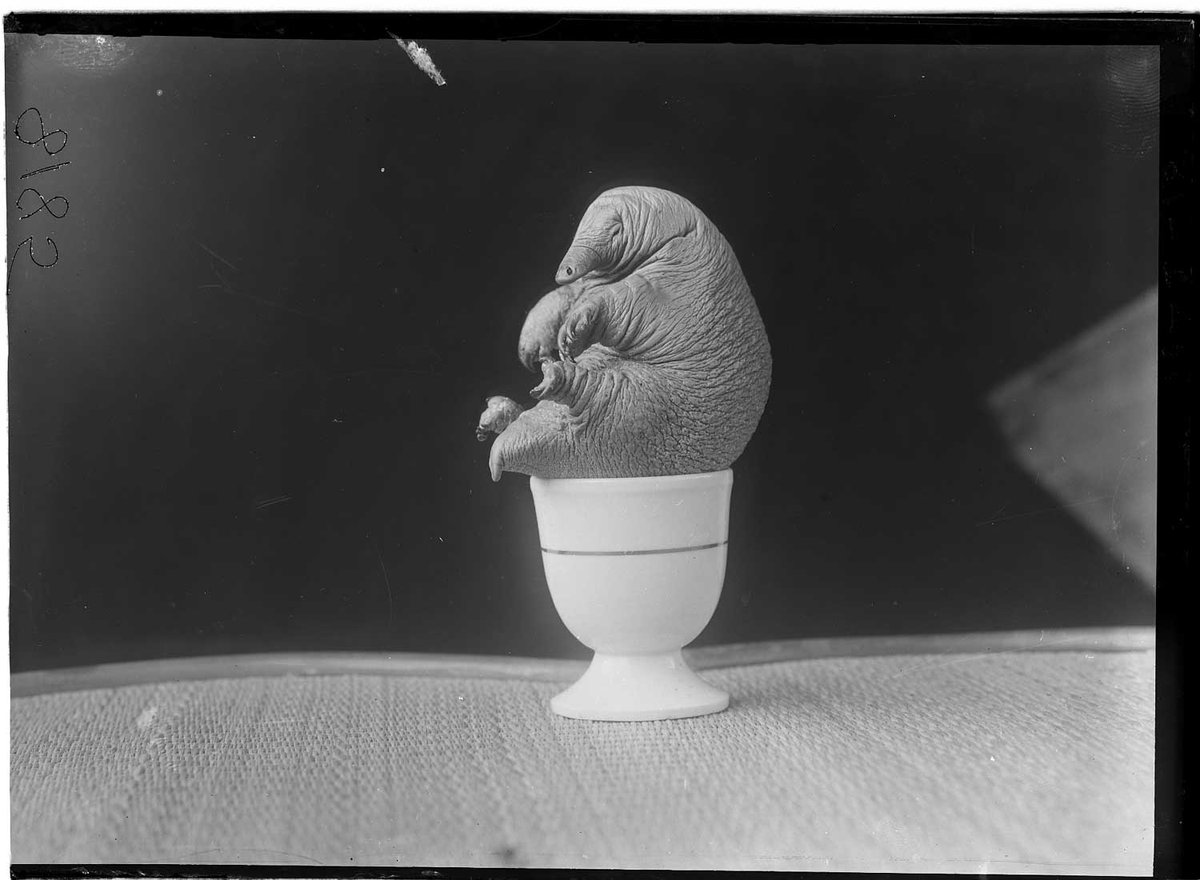
Harry J. Burrell developed an interest in natural history after he settled in Manilla, northern NSW with his wife Susan Emily Naegueli in 1901. As a naturalist, Burrell is most famous for being the first person to successfully keep platypuses in captivity. To do this he invented the ‘platypusary’, a storage tank which enabled him to both study and exhibit live platypuses. The platypusary was used for the first time in 1910 to show live platypuses at the Moore Park Zoo in Sydney. In 1922 he assisted Ellis Stanley Joseph with successfully transporting the first ever live platypus beyond Australian shores. The sole surviving platypus of the original 5 platypuses’ arduous journey died within a few weeks of being exhibited at the Bronx Zoo, New York.


 un regard oblique